All Pricing Plans
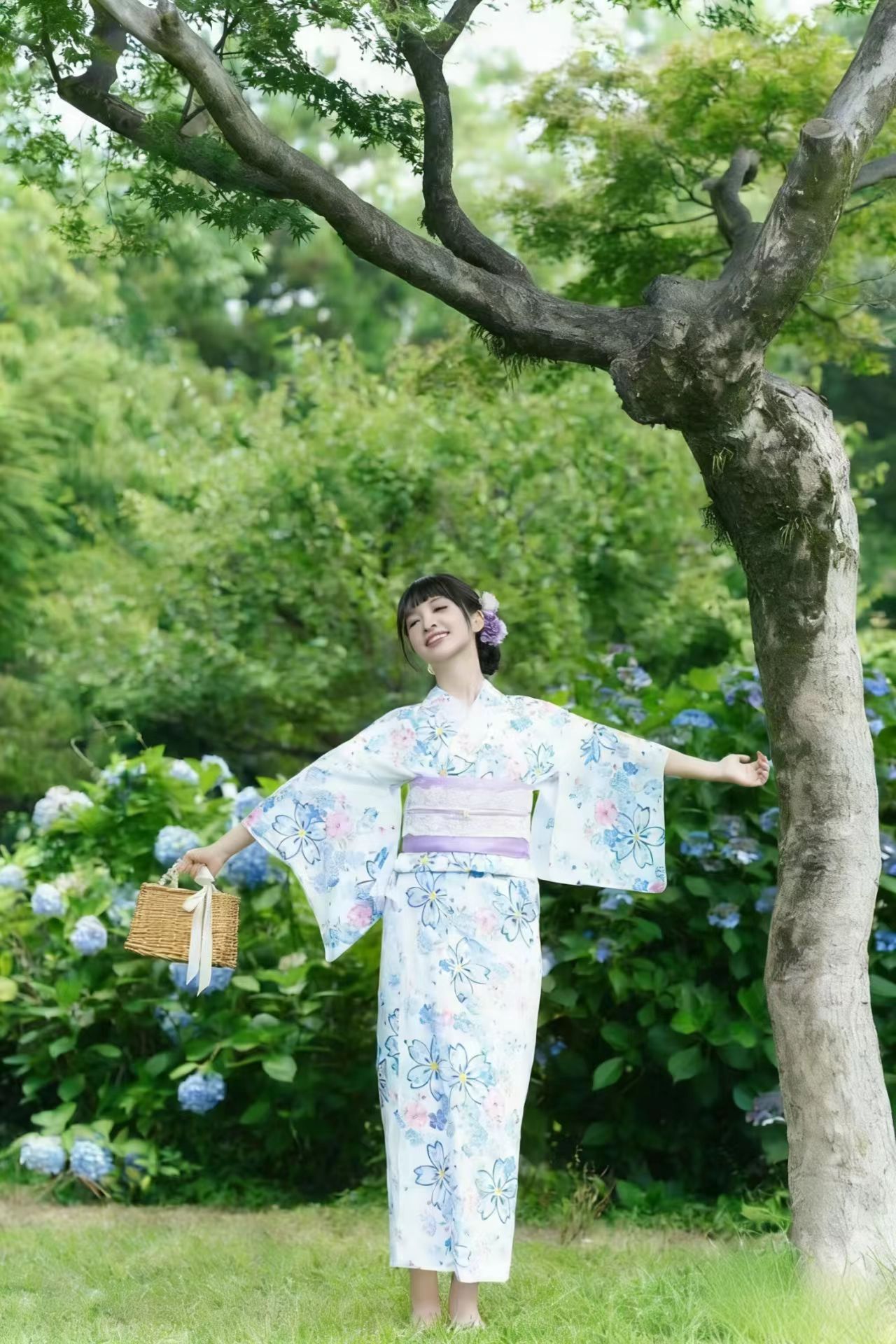
Yukata is a traditional Japanese summer garment, commonly worn at summer festivals, fireworks displays, and hot spring inns. It is worn over undergarments, with the left collar wrapped over the right and secured with an obi belt. Paired with wooden geta sandals, it completes a distinctly summery look.
Lighter and more breathable than formal kimono, yukata is ideal for staying comfortable in the heat while still enjoying a relaxed Japanese-style appearance.
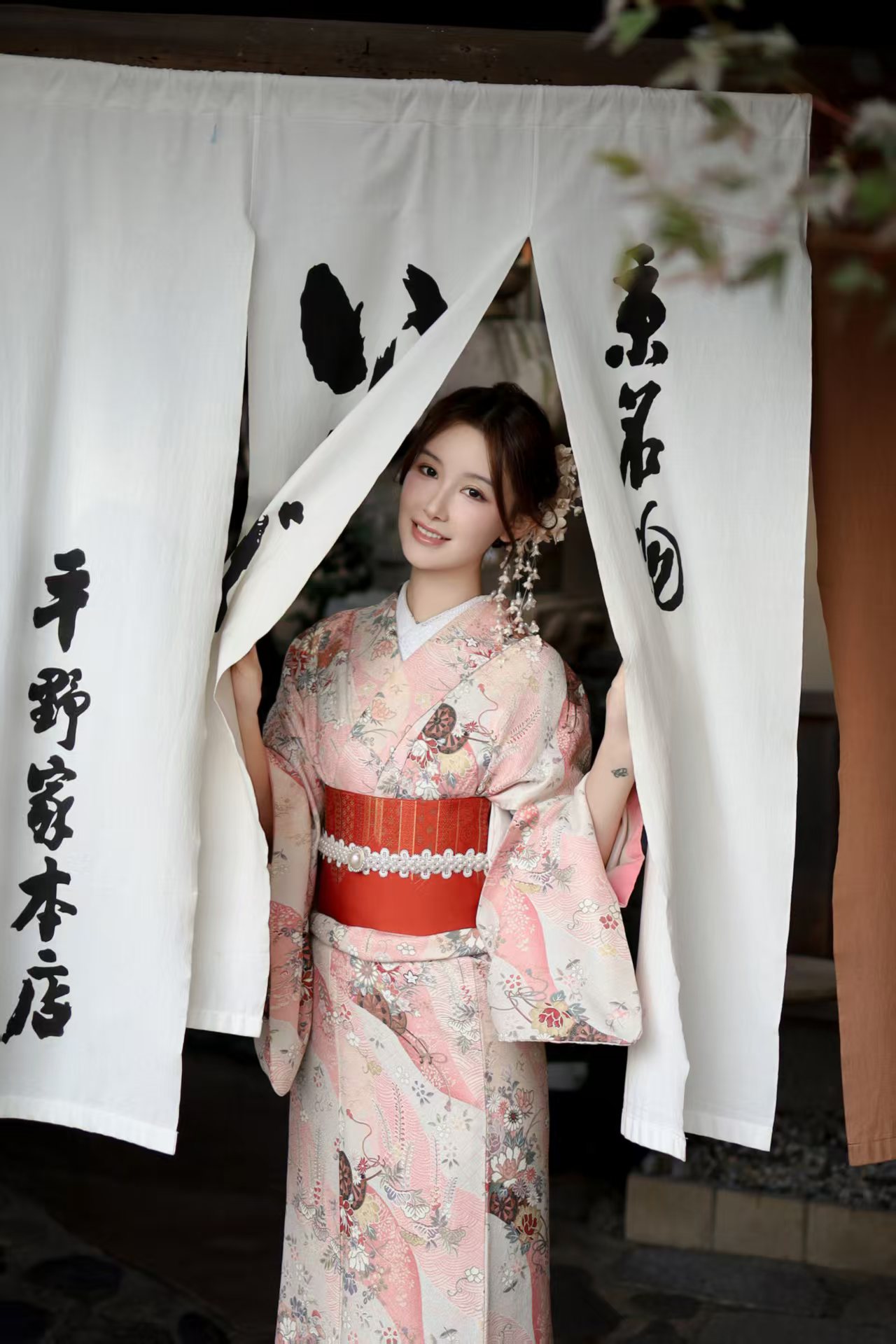
Komon is a type of Japanese kimono that is on the casual side, often worn as everyday or outing wear. Its main feature is the repeated small pattern that covers the entire garment—floral or geometric motifs that create a consistent design across the fabric.
Komon is not formal attire; it is commonly worn for casual occasions such as meals with friends, theatre, or shopping, and is not typically suitable for formal events like weddings.
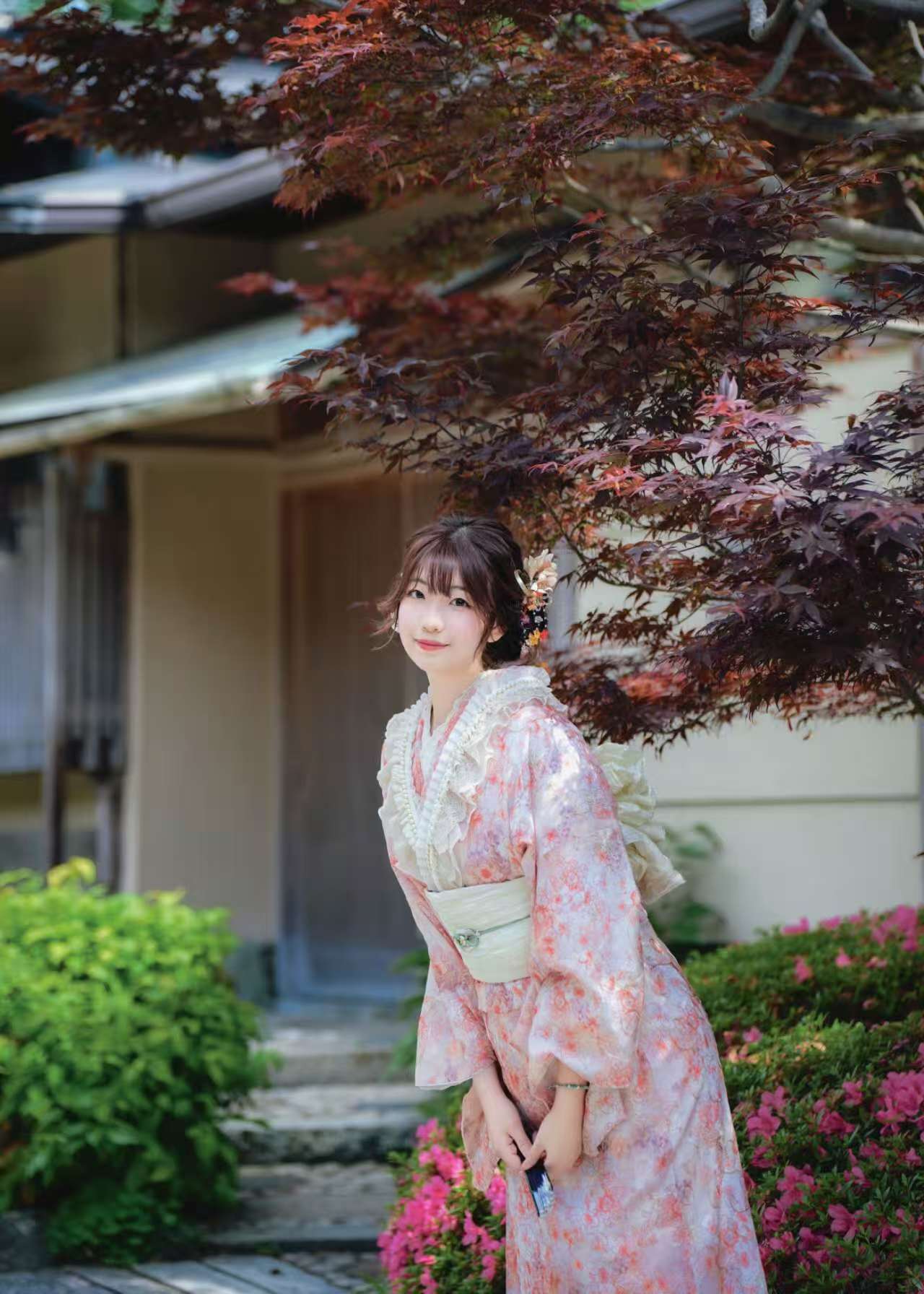
Lace kimono is a fashionable kimono made from lace fabric. It is lighter than traditional kimono with many cute designs, often worn for photo shoots or outings.
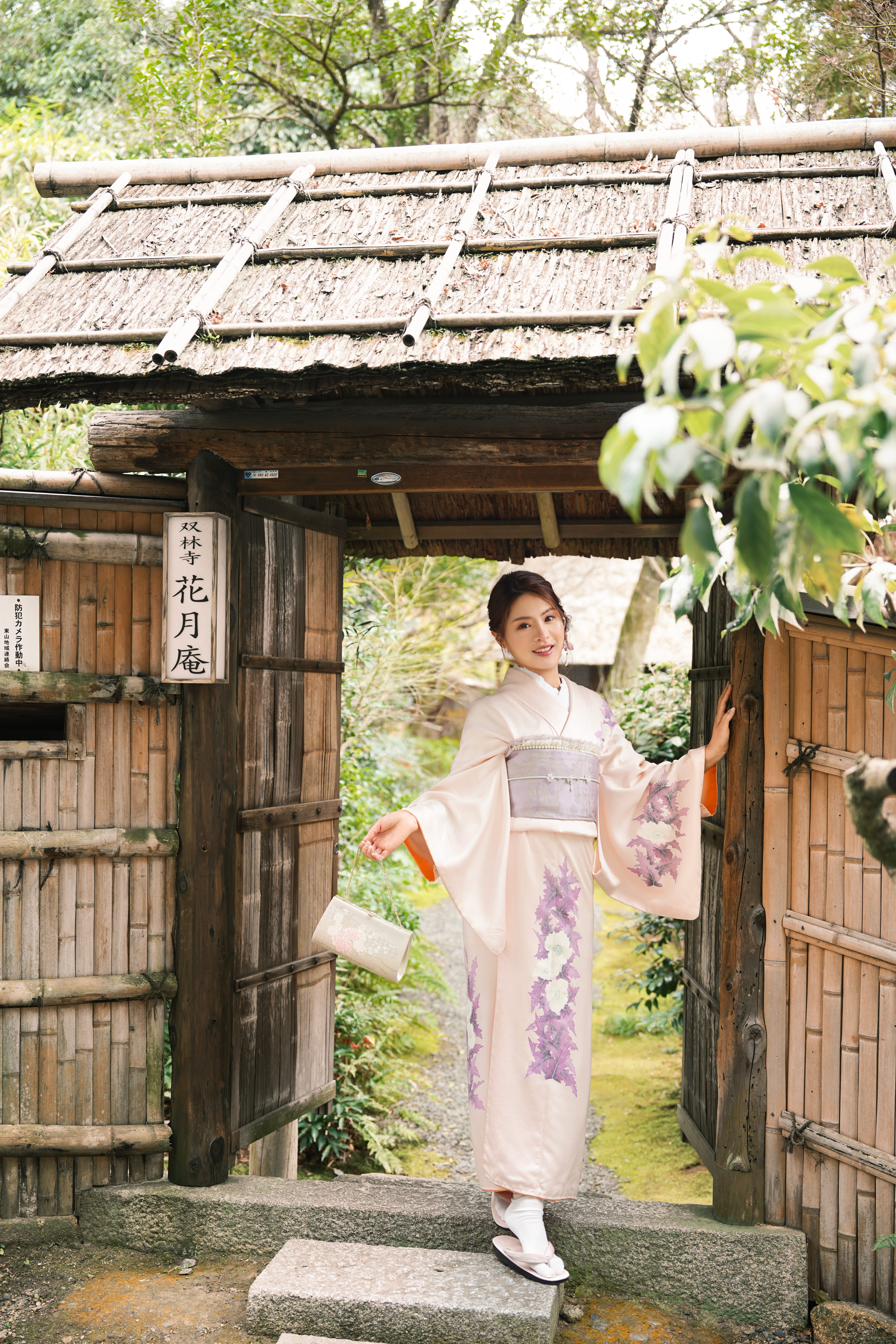
The visiting kimono (houmongi) is an elegant, semi-formal kimono that can be worn by both married and unmarried women. Its defining feature is the "ebori" pattern—a continuous design that runs from the shoulder to the hem—often featuring seasonal flowers or auspicious motifs in soft, refined colours.
Visiting kimono is suitable for a variety of celebratory and formal occasions, such as wedding attendance, entrance or graduation ceremonies, shrine visits (miyamairi), Shichi-Go-San, tea ceremonies, parties, and formal dinners.
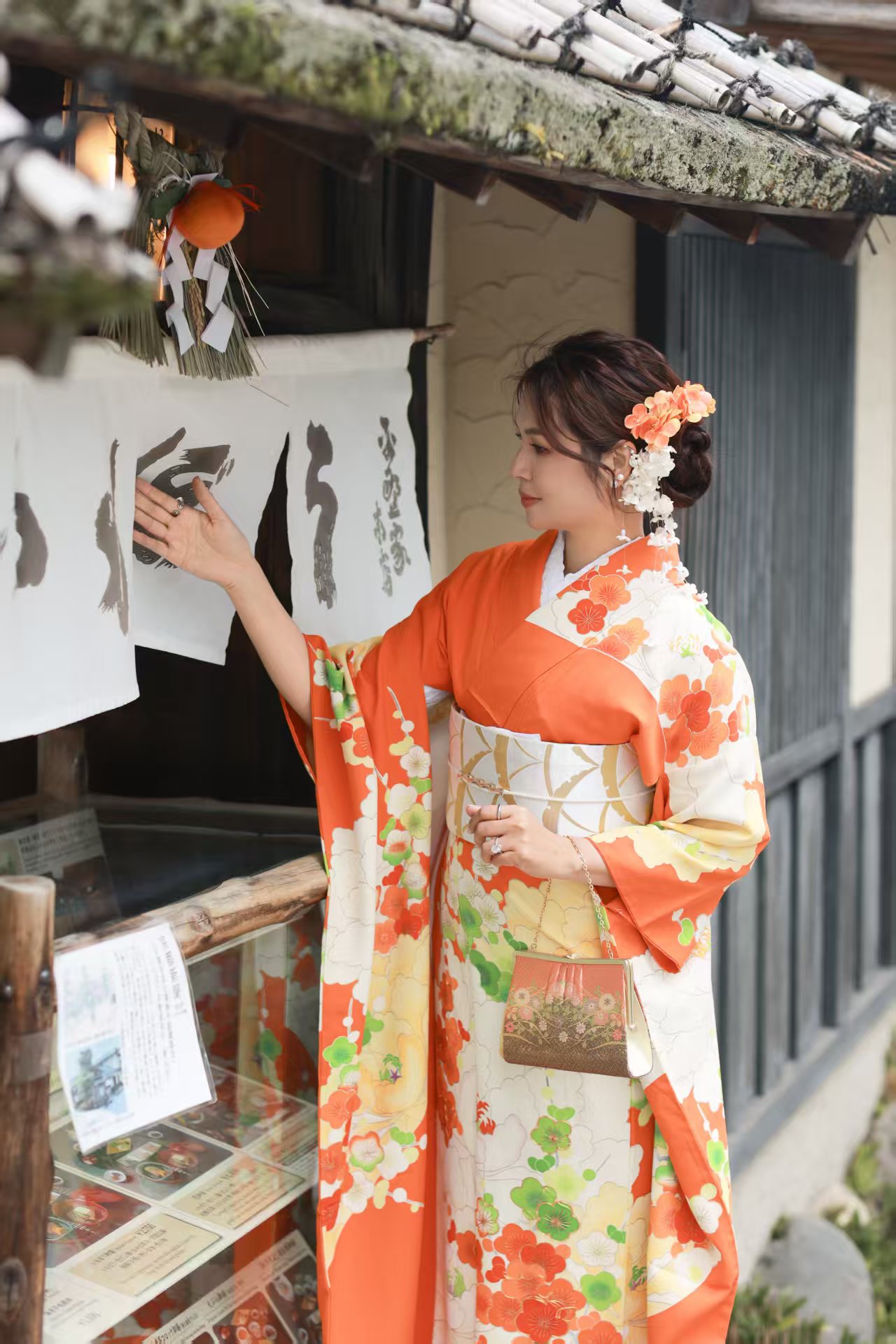
Furisode is a gorgeous kimono characterized by long, elegant flowing sleeves. On high-quality silk fabric, seasonal flowers and traditional auspicious patterns are beautifully depicted, adding brilliance to special occasions.
Furisode is mainly worn by unmarried women and is one of the most formal types of kimono. It is often worn at coming-of-age ceremonies, as well as at weddings, graduation ceremonies, parties, commemorative photos and pre-wedding shoots—at life's milestones and celebratory occasions.
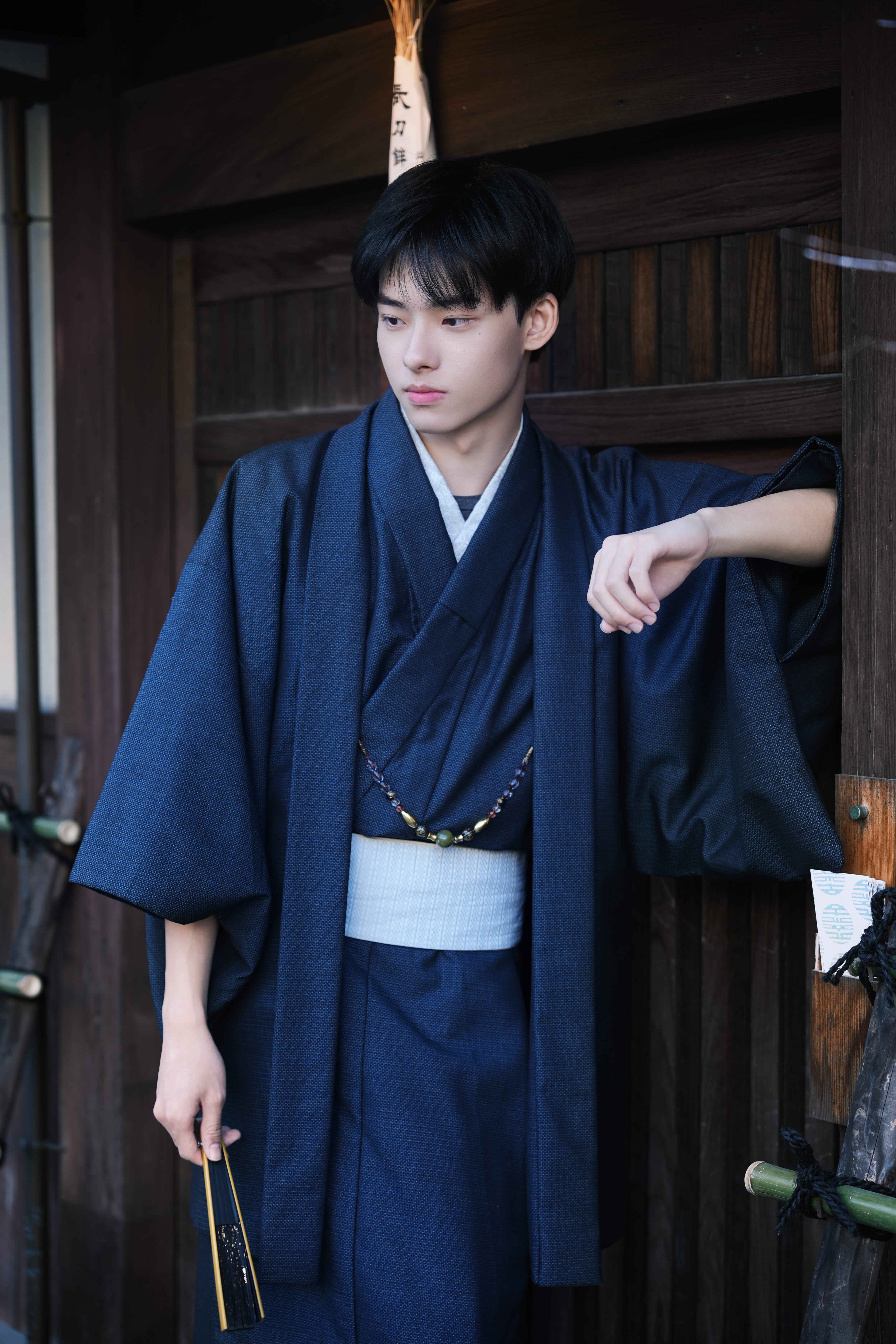
Komon kimono is a relaxed everyday option with flexible styling and plenty of personality. Its defining feature is the small repeating patterns distributed across the fabric, created through dyeing or weaving techniques to add subtle depth and beauty. Materials for komon kimono are diverse—from soft cotton and linen to fine silk—making it light and comfortable for daily wear and suitable for semi-formal occasions as well.
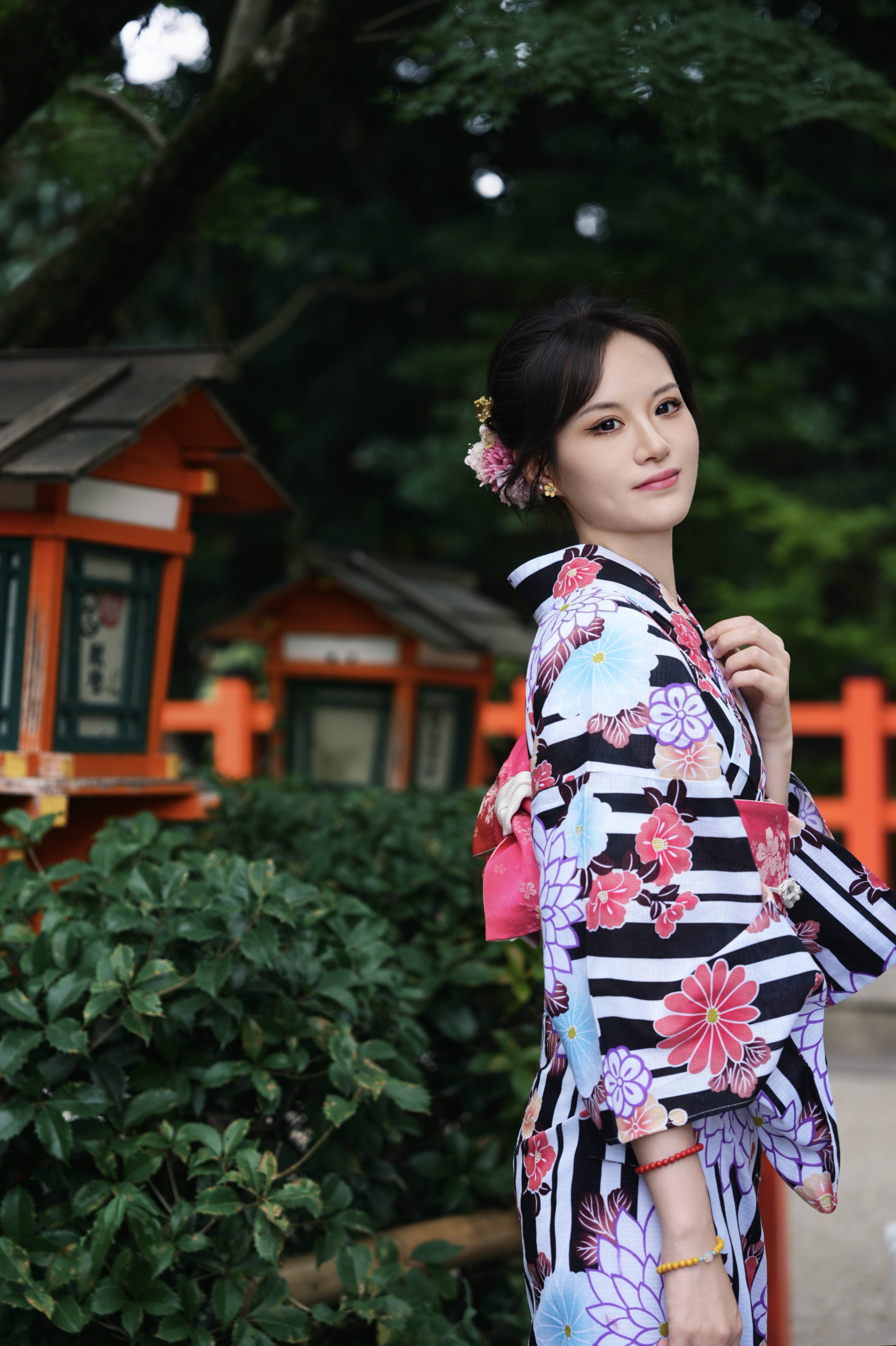
Yukata is a traditional Japanese summer garment, commonly worn at summer festivals, fireworks displays, and hot spring inns. It is worn over undergarments, with the left collar wrapped over the right and secured with an obi belt. Paired with wooden geta sandals, it completes a distinctly summery look.
Lighter and more breathable than formal kimono, yukata is ideal for staying comfortable in the heat while still enjoying a relaxed Japanese-style appearance.
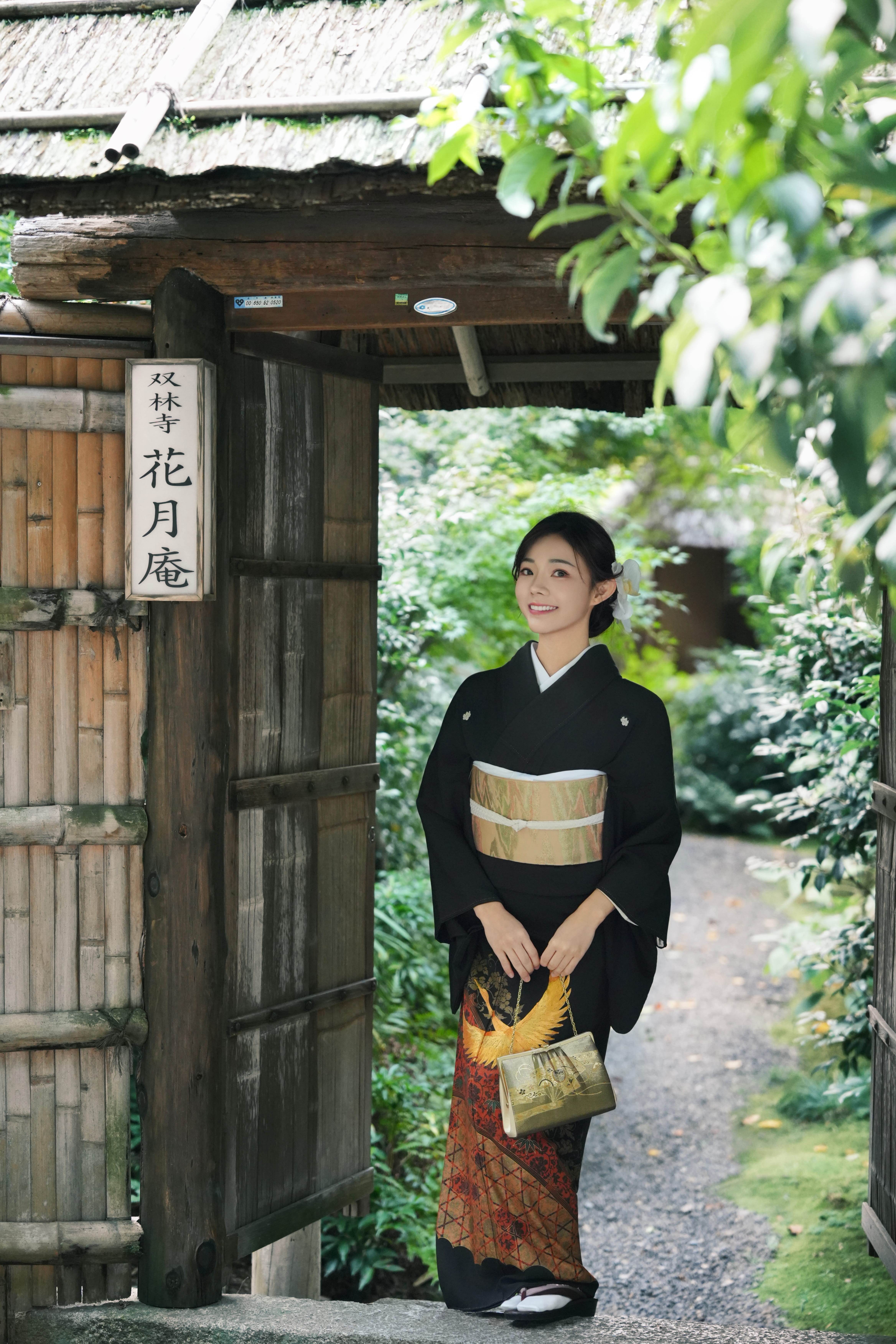
The visiting kimono (houmongi) is an elegant, semi-formal kimono that can be worn by both married and unmarried women. Its defining feature is the "ebori" pattern—a continuous design that runs from the shoulder to the hem—often featuring seasonal flowers or auspicious motifs in soft, refined colours.
Visiting kimono is suitable for a variety of celebratory and formal occasions, such as wedding attendance, entrance or graduation ceremonies, shrine visits (miyamairi), Shichi-Go-San, tea ceremonies, parties, and formal dinners.
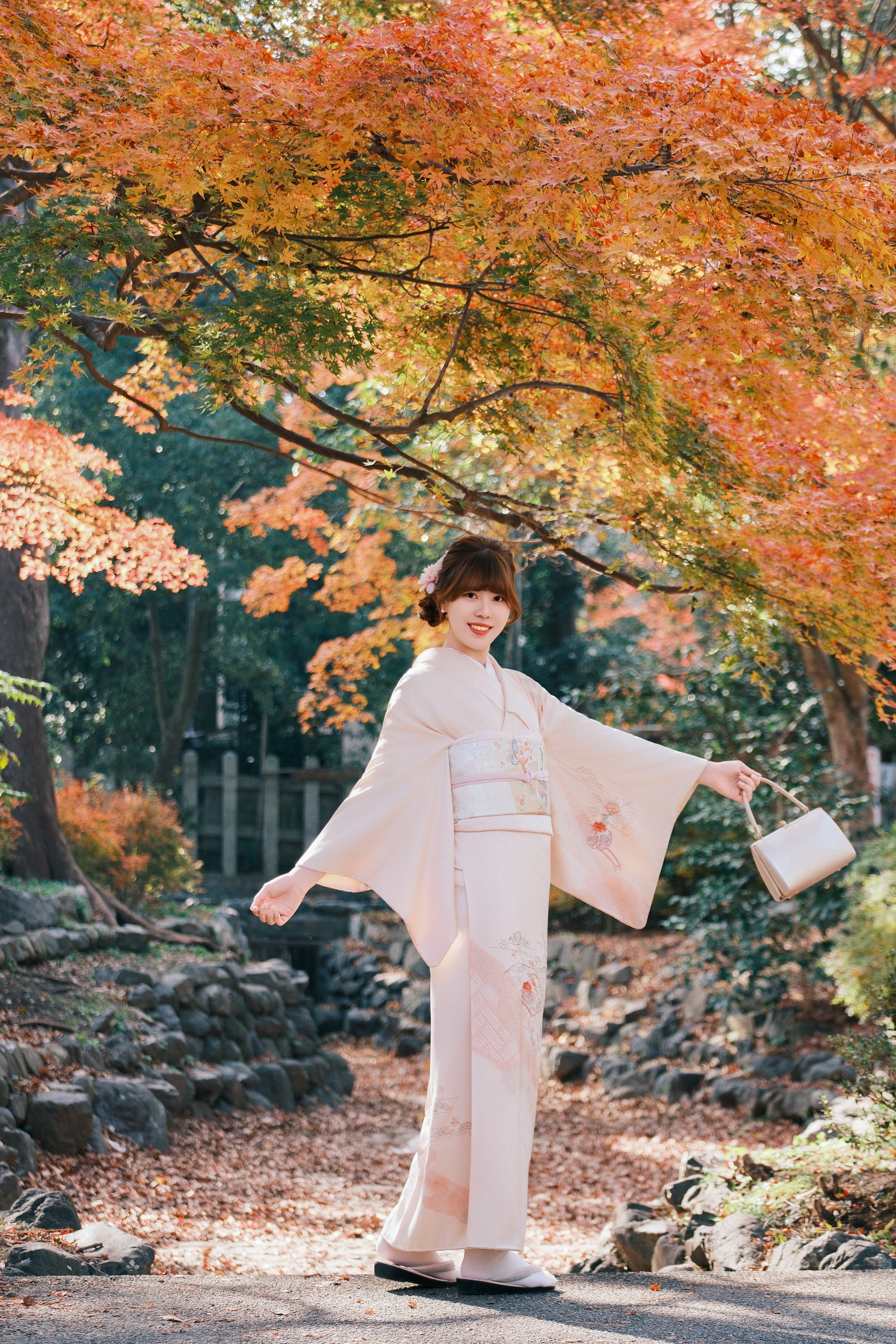
The visiting kimono (houmongi) is an elegant, semi-formal kimono that can be worn by both married and unmarried women. Its defining feature is the "ebori" pattern—a continuous design that runs from the shoulder to the hem—often featuring seasonal flowers or auspicious motifs in soft, refined colours.
Visiting kimono is suitable for a variety of celebratory and formal occasions, such as wedding attendance, entrance or graduation ceremonies, shrine visits (miyamairi), Shichi-Go-San, tea ceremonies, parties, and formal dinners.
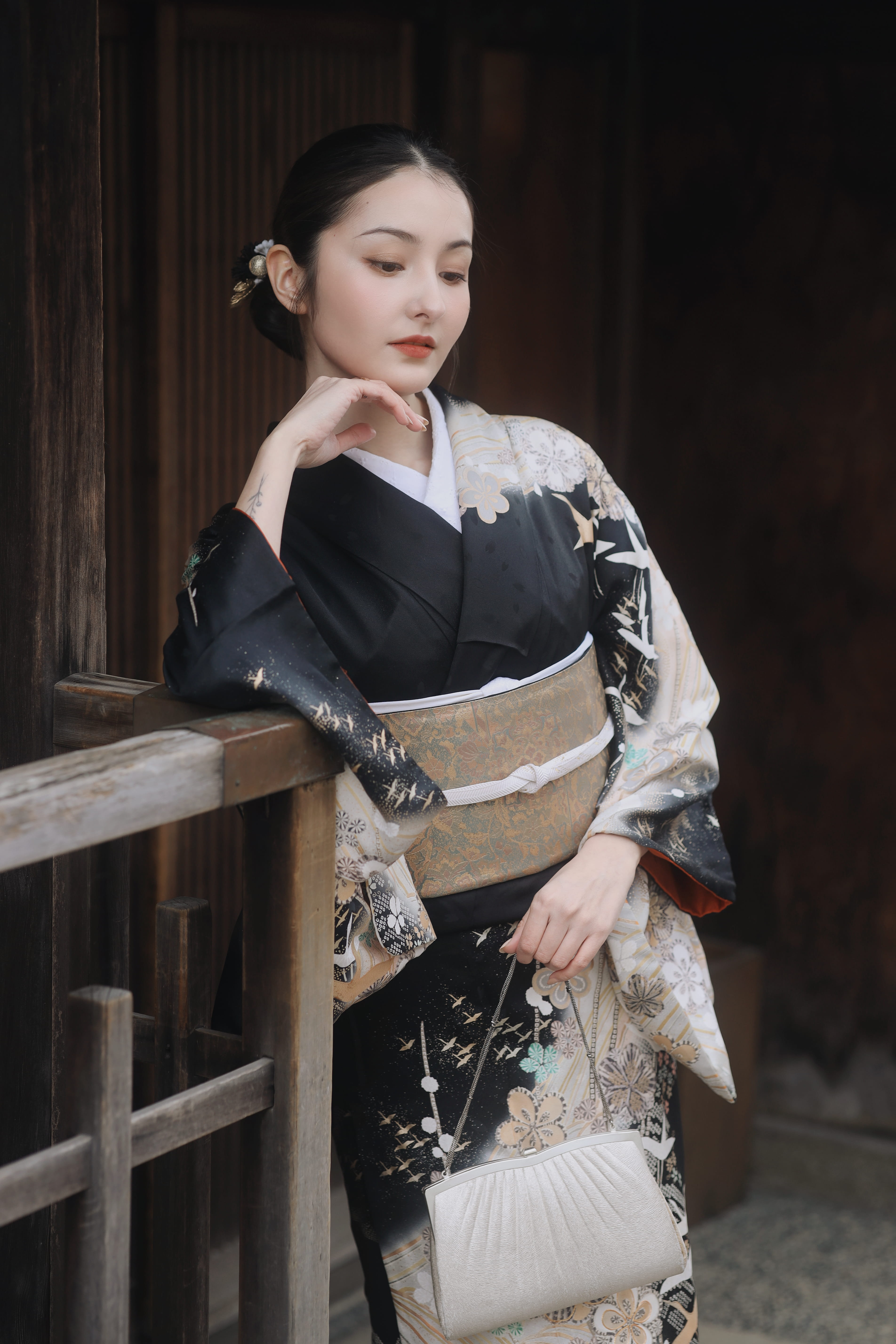
The visiting kimono (houmongi) is an elegant, semi-formal kimono that can be worn by both married and unmarried women. Its defining feature is the "ebori" pattern—a continuous design that runs from the shoulder to the hem—often featuring seasonal flowers or auspicious motifs in soft, refined colours.
Visiting kimono is suitable for a variety of celebratory and formal occasions, such as wedding attendance, entrance or graduation ceremonies, shrine visits (miyamairi), Shichi-Go-San, tea ceremonies, parties, and formal dinners.
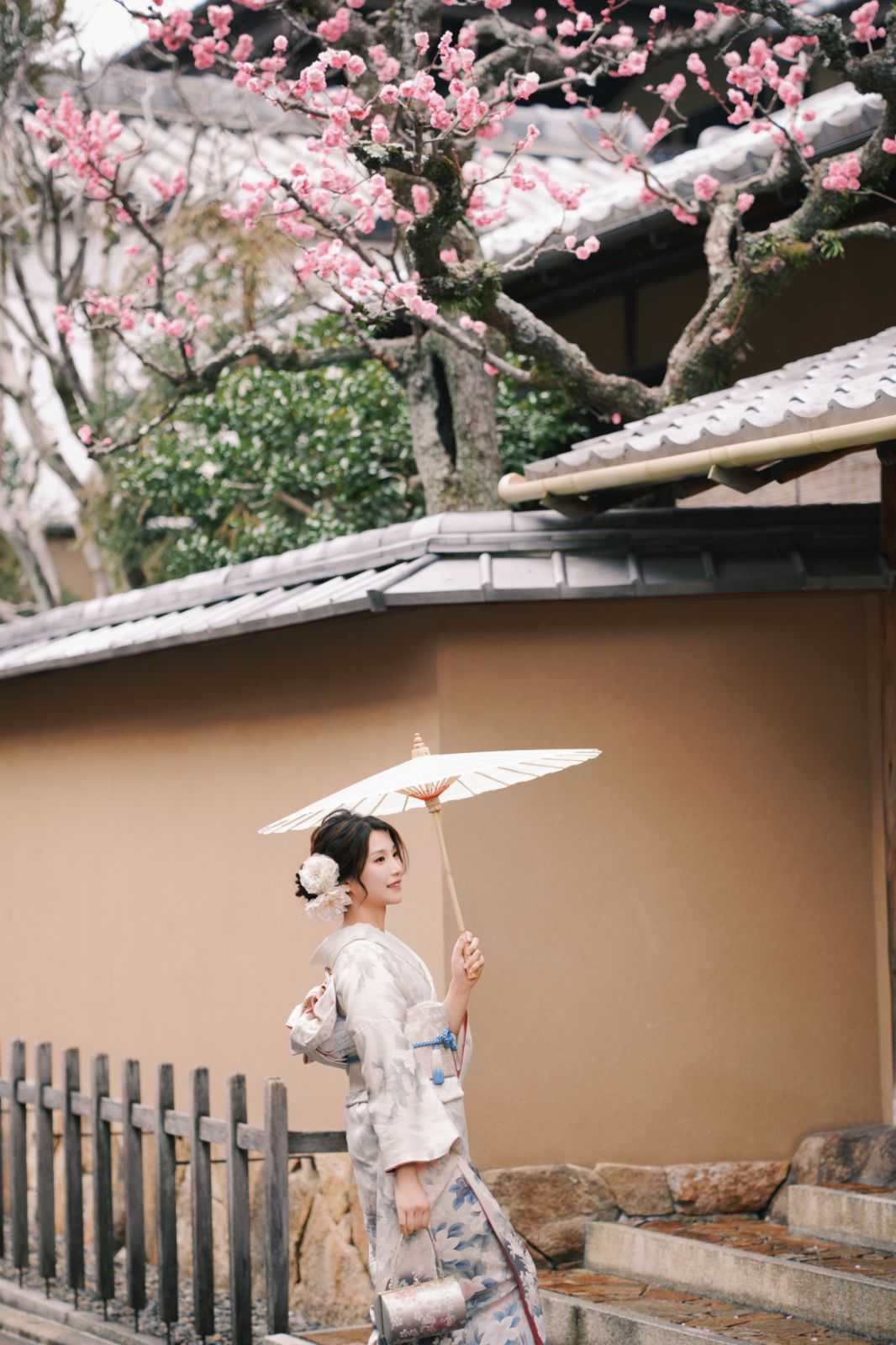
Furisode is a gorgeous kimono characterized by long, elegant flowing sleeves. On high-quality silk fabric, seasonal flowers and traditional auspicious patterns are beautifully depicted, adding brilliance to special occasions.
Furisode is mainly worn by unmarried women and is one of the most formal types of kimono. It is often worn at coming-of-age ceremonies, as well as at weddings, graduation ceremonies, parties, commemorative photos and pre-wedding shoots—at life's milestones and celebratory occasions.
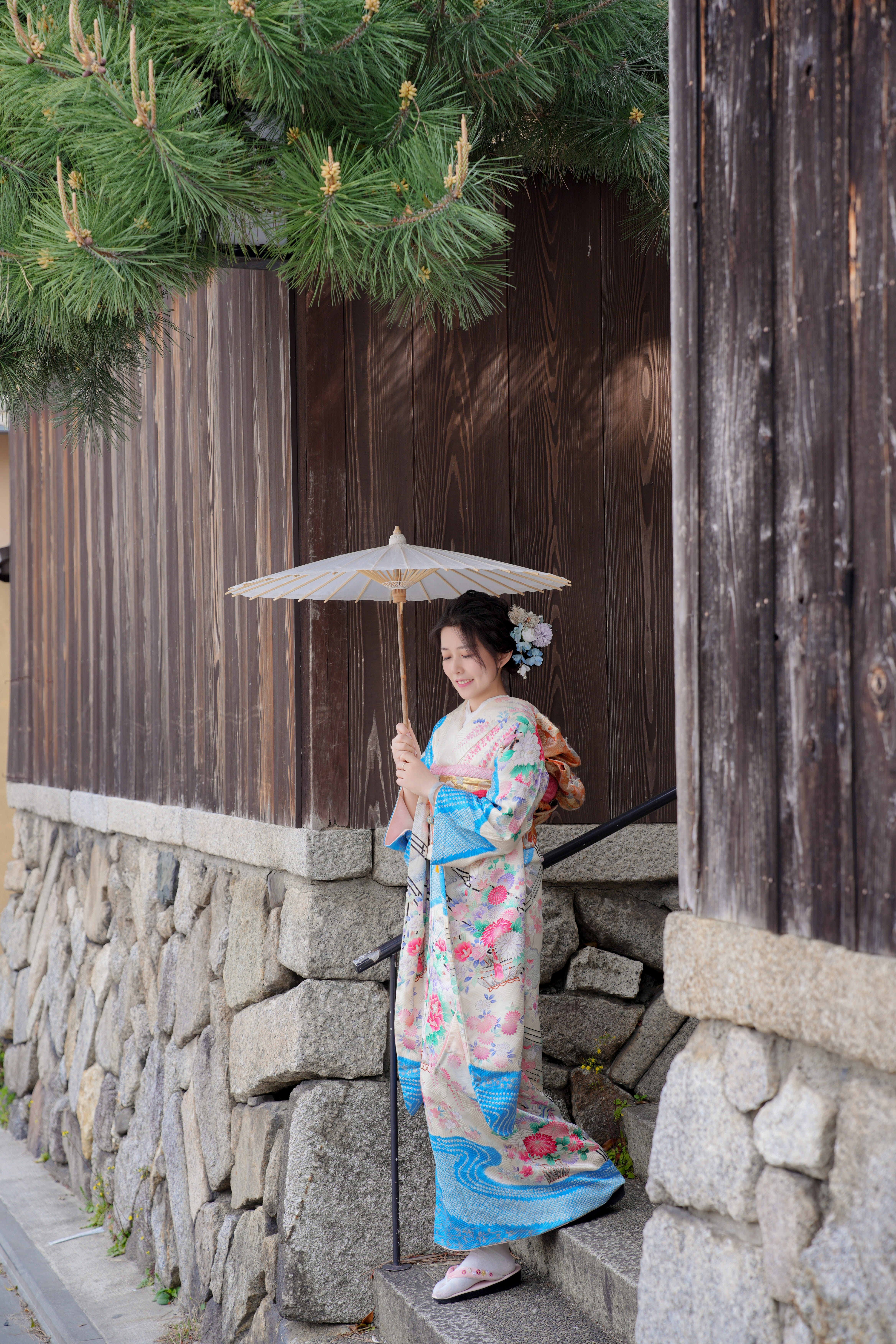
Furisode is a gorgeous kimono characterized by long, elegant flowing sleeves. On high-quality silk fabric, seasonal flowers and traditional auspicious patterns are beautifully depicted, adding brilliance to special occasions.
Furisode is mainly worn by unmarried women and is one of the most formal types of kimono. It is often worn at coming-of-age ceremonies, as well as at weddings, graduation ceremonies, parties, commemorative photos and pre-wedding shoots—at life's milestones and celebratory occasions.
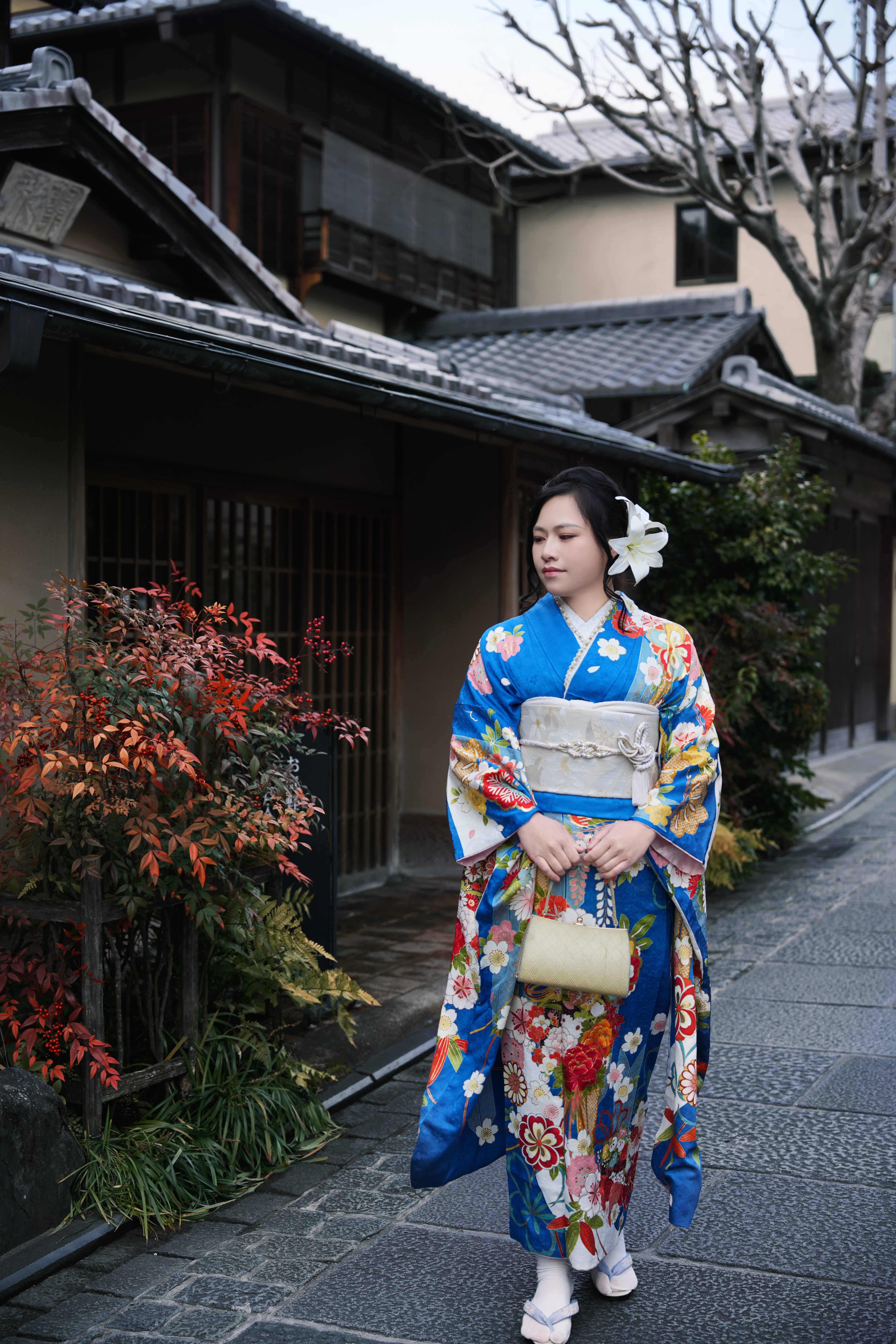
Furisode is a gorgeous kimono characterized by long, elegant flowing sleeves. On high-quality silk fabric, seasonal flowers and traditional auspicious patterns are beautifully depicted, adding brilliance to special occasions.
Furisode is mainly worn by unmarried women and is one of the most formal types of kimono. It is often worn at coming-of-age ceremonies, as well as at weddings, graduation ceremonies, parties, commemorative photos and pre-wedding shoots—at life's milestones and celebratory occasions.
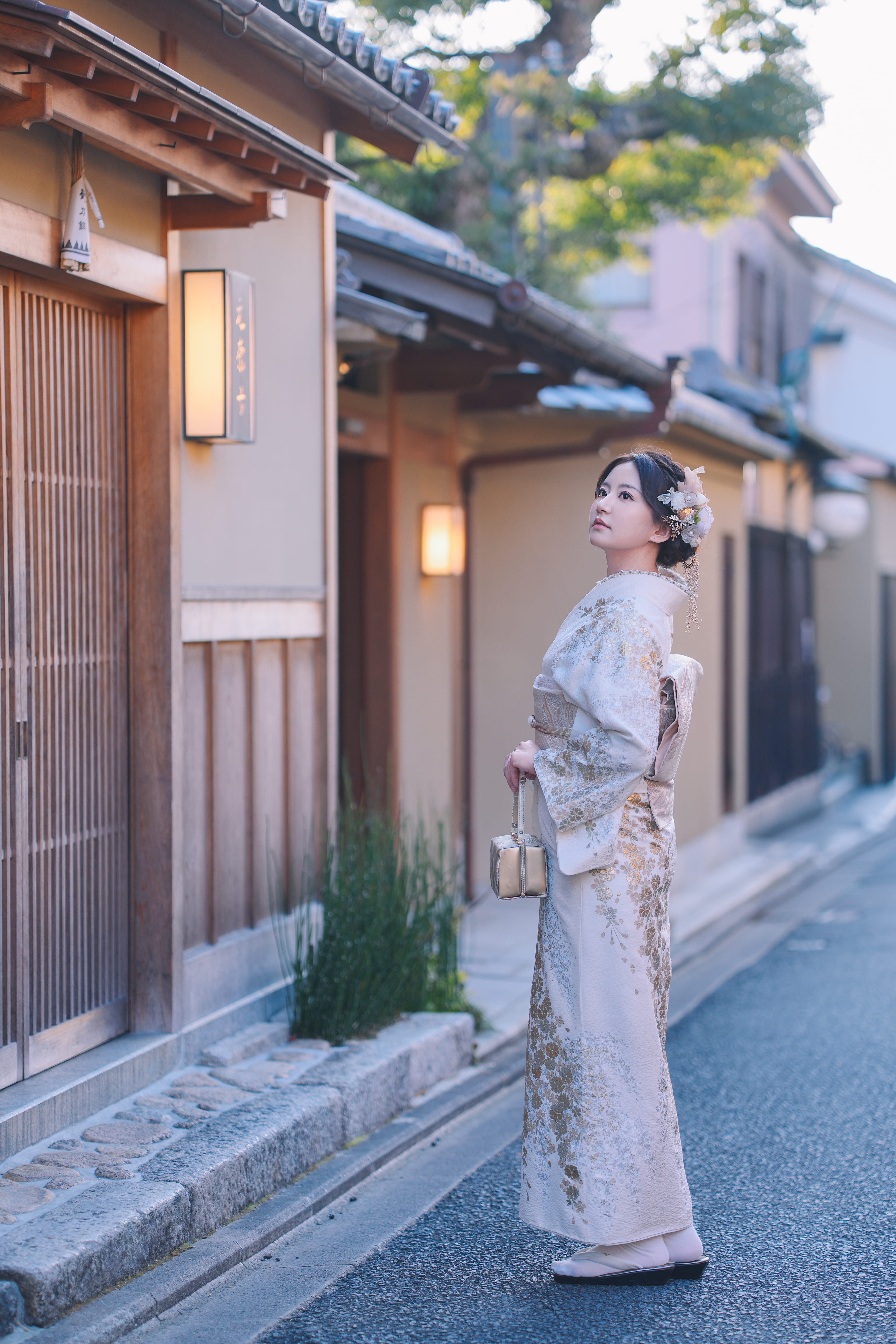
Furisode is a gorgeous kimono characterized by long, elegant flowing sleeves. On high-quality silk fabric, seasonal flowers and traditional auspicious patterns are beautifully depicted, adding brilliance to special occasions.
Furisode is mainly worn by unmarried women and is one of the most formal types of kimono. It is often worn at coming-of-age ceremonies, as well as at weddings, graduation ceremonies, parties, commemorative photos and pre-wedding shoots—at life's milestones and celebratory occasions.
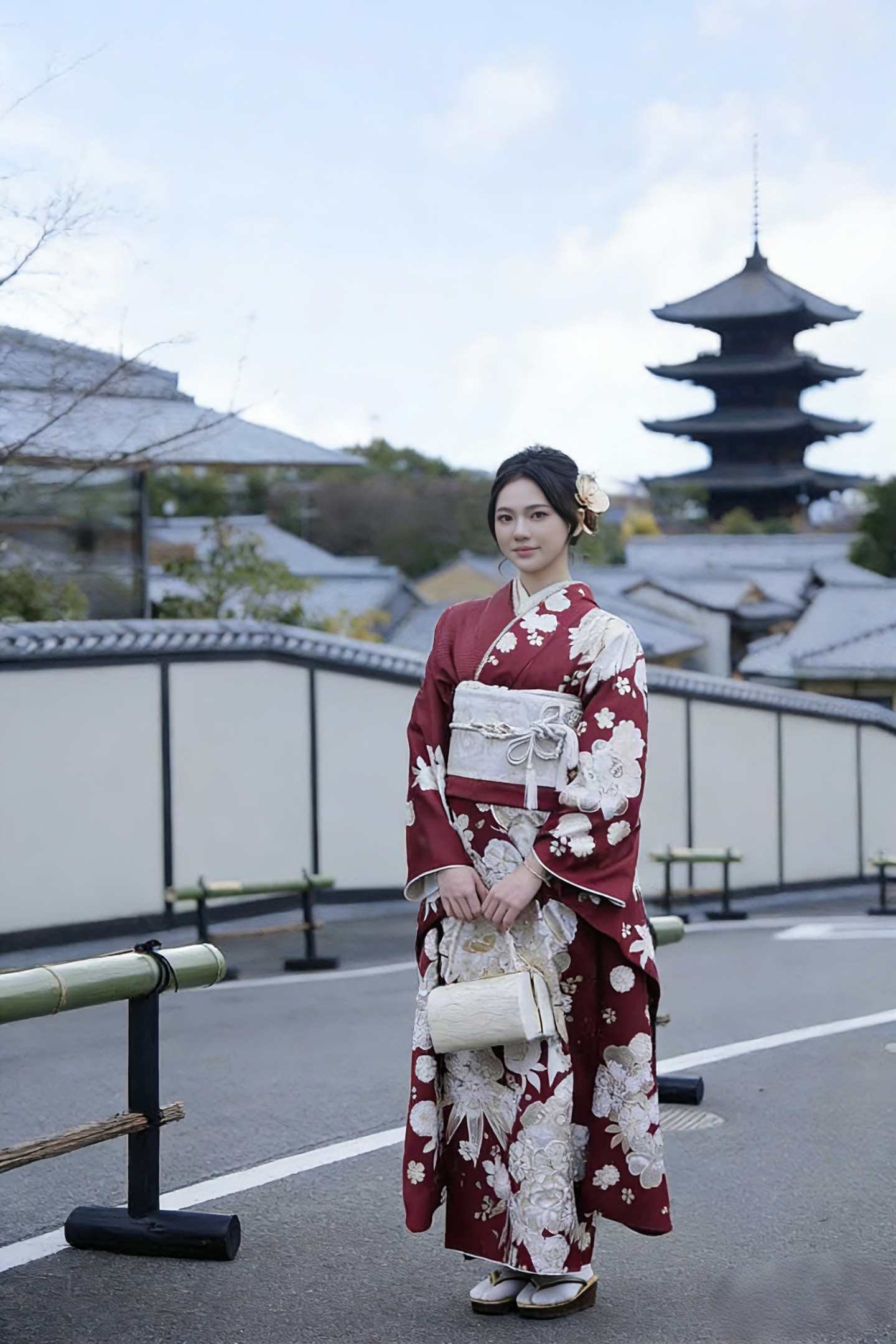
Furisode is a gorgeous kimono characterized by long, elegant flowing sleeves. On high-quality silk fabric, seasonal flowers and traditional auspicious patterns are beautifully depicted, adding brilliance to special occasions.
Furisode is mainly worn by unmarried women and is one of the most formal types of kimono. It is often worn at coming-of-age ceremonies, as well as at weddings, graduation ceremonies, parties, commemorative photos and pre-wedding shoots—at life's milestones and celebratory occasions.
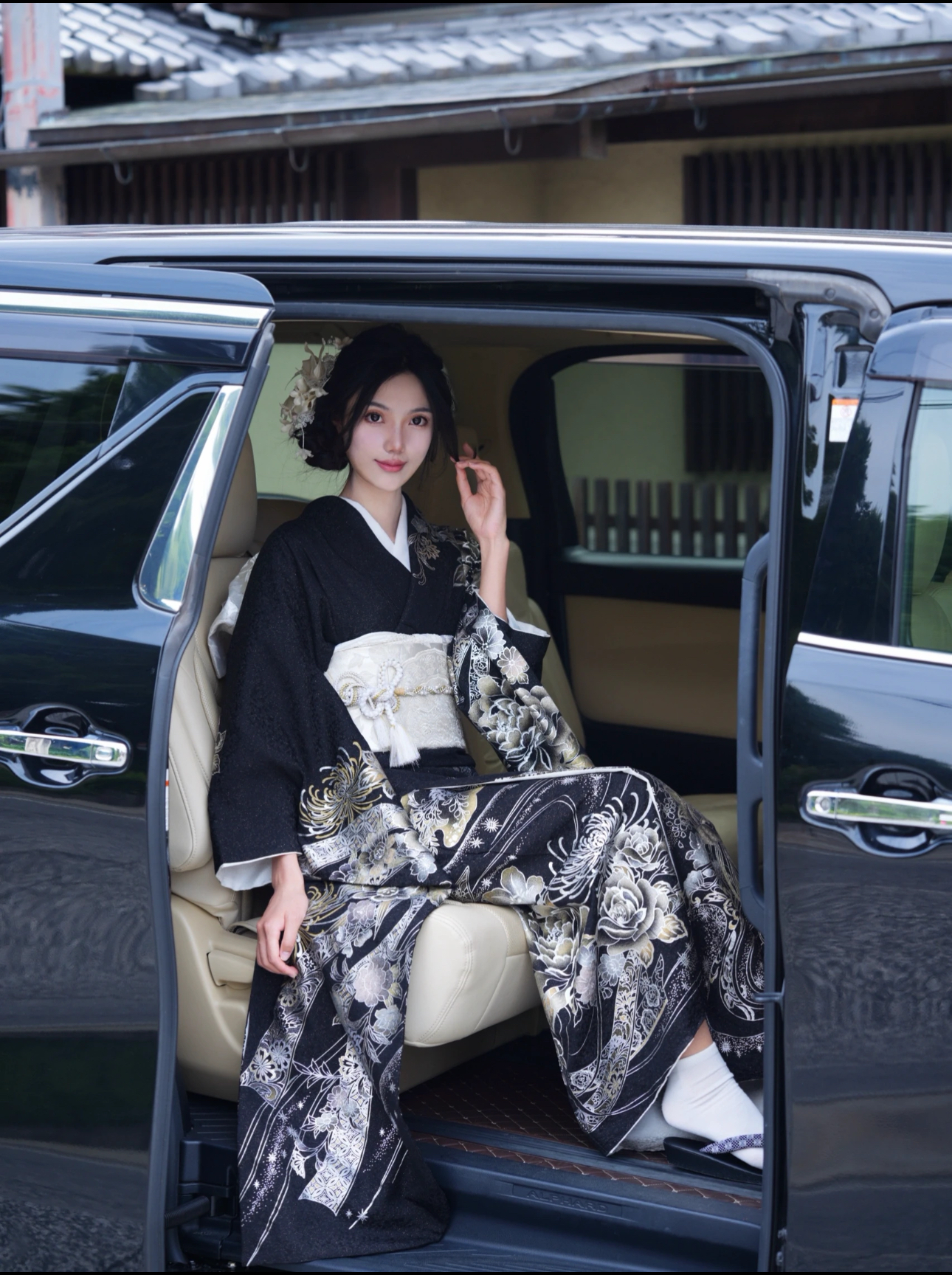
Furisode is a gorgeous kimono characterized by long, elegant flowing sleeves. On high-quality silk fabric, seasonal flowers and traditional auspicious patterns are beautifully depicted, adding brilliance to special occasions.
Furisode is mainly worn by unmarried women and is one of the most formal types of kimono. It is often worn at coming-of-age ceremonies, as well as at weddings, graduation ceremonies, parties, commemorative photos and pre-wedding shoots—at life's milestones and celebratory occasions.
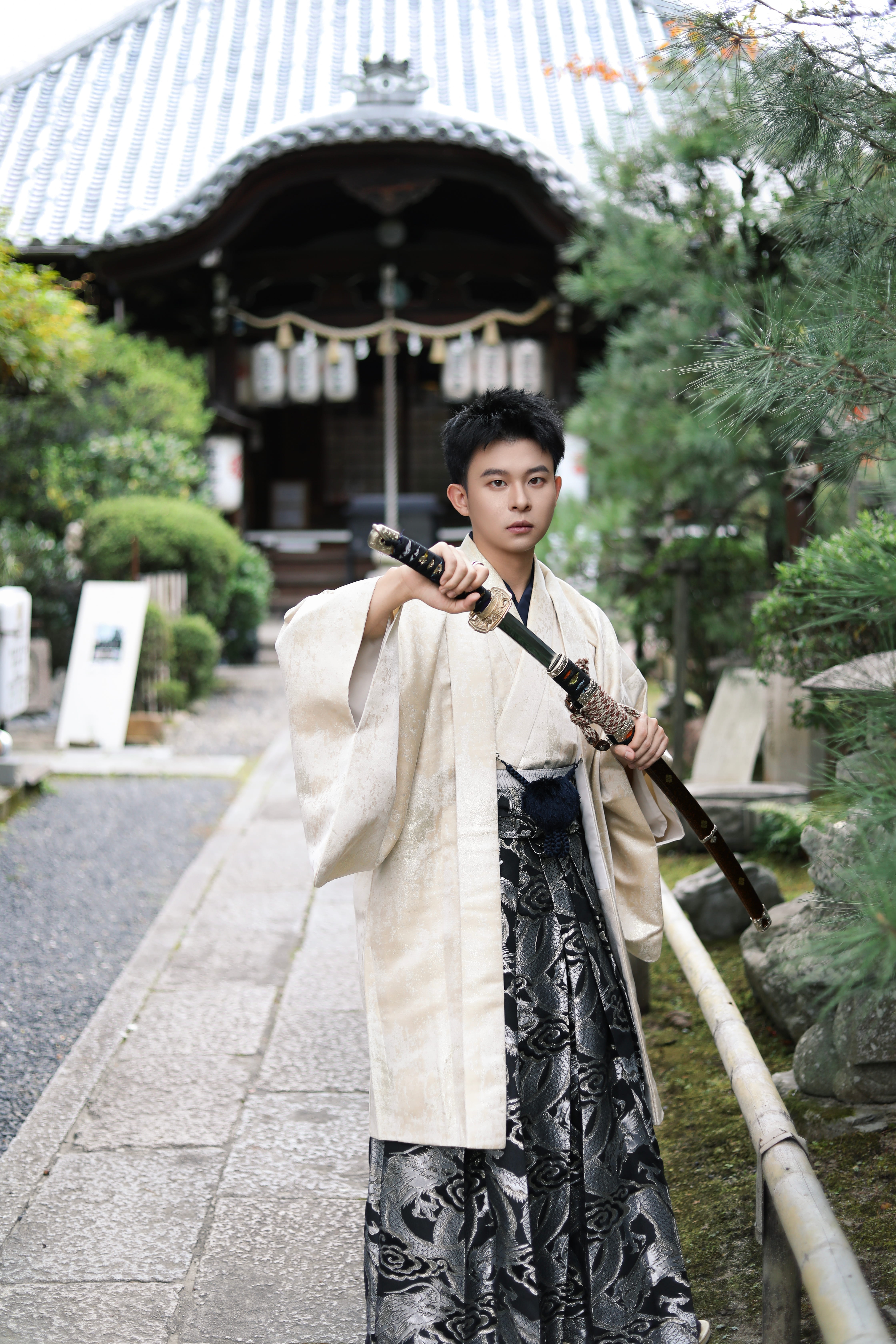
Montsuki hakama is one of the most formal styles of traditional Japanese menswear. Its key feature is the family crests (kamon) on the kimono—typically five crests on a black kimono, worn with striped hakama trousers. The overall look is calm and dignified, giving a refined and traditional impression.
Silk is traditionally used, offering a smooth texture and natural sheen, while modern polyester options are also available for easier care and everyday wear.
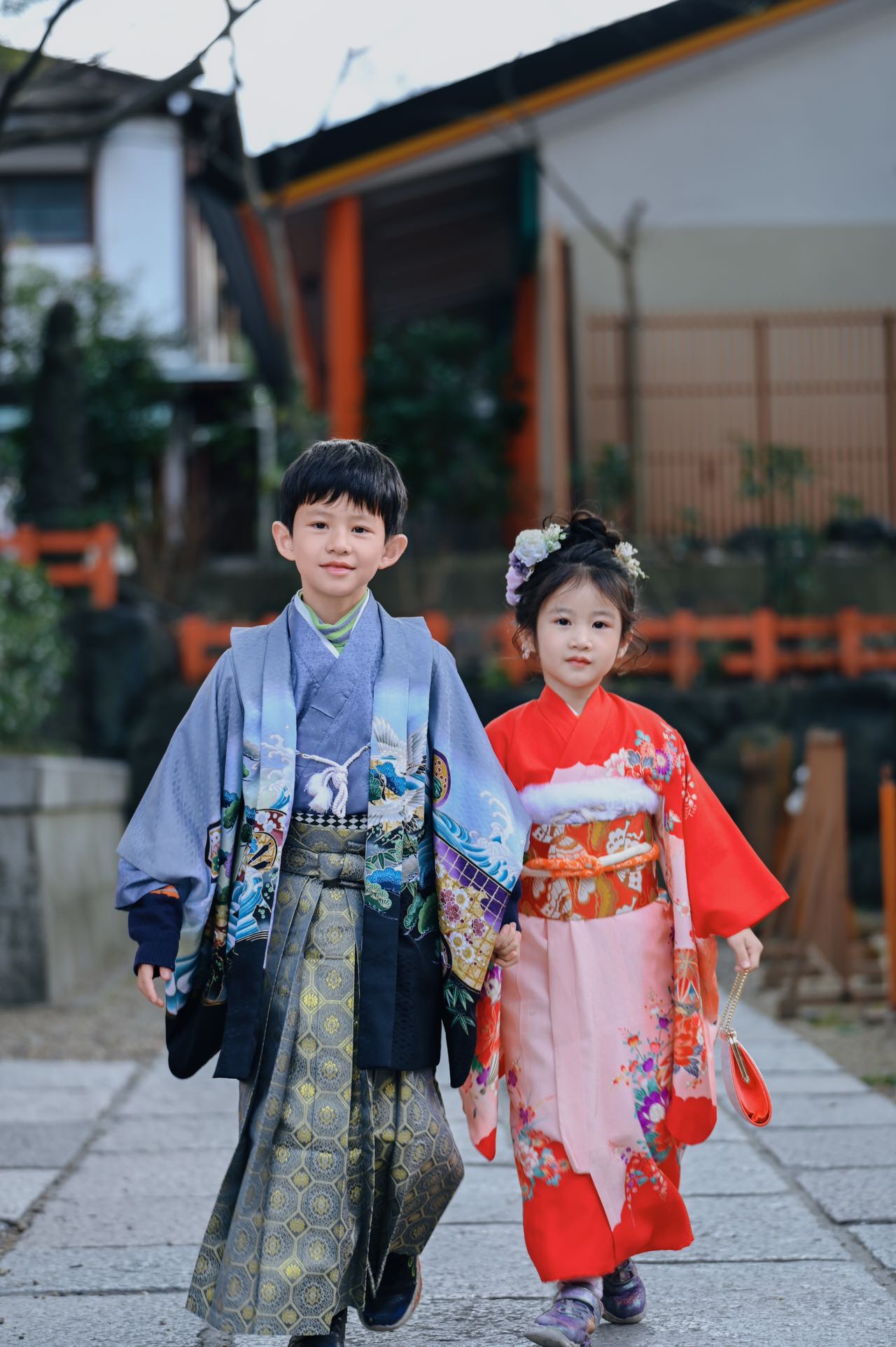
Shichi-Go-San kimono is traditional Japanese dress worn to celebrate children's growth. Children aged three, five, and seven wear beautiful kimono on Shichi-Go-San day and visit shrines with their families to pray for health and wellbeing. The style varies by age: three-year-olds often wear a hifu (vest), five-year-old boys wear haori and hakama, and seven-year-old girls wear a formal obi. These kimono are part of the traditional celebration of these important milestones in a child's life.